


 No Items in Cart
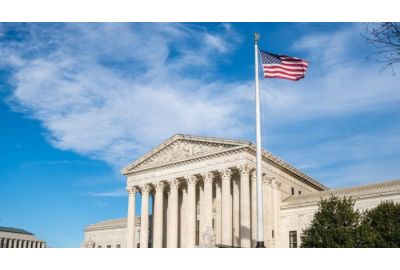
On June 27, the United States Supreme Court (the Court) ruled to limit the ability of federal district court judges to issue nationwide injunctions. Specifically, these rulings, now known as “universal injunctions,” have been used over many years. The purpose of nationwide injunctions was mainly to block actions taken by either the White House or federal regulatory agencies. Consequently, these injunctions are criticized for impeding employment law changes for both Democratic and Republican administrations. Earlier, in April 2024, the Court issued a ruling stating that under Title VII, employees do not need to suffer significant harm to claim discrimination.
Overview of the Supreme Court’s Decision
Basically, with the 6-3 ruling, the Court was examining three nationwide injunctions issued by federal district court judges. Specifically, each ruling blocked one of the Trump administration’s executive orders related to birthright citizenship. The administration requested that the Court rule that lower courts do not have the authority to block White House and federal agency actions nationwide. Generally, the Court agreed with the administration’s belief. Indeed, the ruling states that district courts cannot issue injunctions that are broader than necessary to provide complete relief concerning each plaintiff who has standing to sue. According to Fisher Phillips, the Court claimed that federal district courts “lack the authority” to issue nationwide injunctions. Markedly, this is because Congress never granted that power to federal courts. For this reason, federal courts can now only resolve cases within their respective jurisdictions.
Employment-Related Laws Halted by Nationwide Injunctions
The following is a list of laws that were in effect but were eventually halted due to a nationwide injunction. To clarify, this is not an inclusive list, but it does contain rules that affected most, if not all, employers.
- 2016 Overtime Rule – Blocked by a Texas district court.
- 2019 EEO-1 Pay Data Reporting - A federal court ordered the reinstatement of expanded EEO-1 reporting requirements, including employee pay data by race and gender.
- 2020 Joint Employer Standards – A federal court vacated recent changes to the U.S. Department of Labor’s (DOL’s) joint employer rule.
- 2021 COVID-19 Vaccine Mandates – Multiple federal courts blocked the OSHA emergency temporary standard (ETS) that aimed to require vaccination or testing.
- 2024 Overtime Rule – Multiple federal courts blocked the entirety of the updated exempt worker salary thresholds.
Employer Takeaways
In conclusion, as many employers are already aware, the White House and all federal agencies have significantly influenced current workplace employment laws through executive orders and regulations. For example, agencies like the DOL, Equal Employment Opportunity Commission (EEOC), and the Occupational Safety and Health Administration (OSHA) have created regulations that you are expected to follow. Some entities, however, frequently filed suit in federal courts to obtain nationwide injunctions to block them. That will no longer be so easy. In fact, if a federal court were to rule that a law is blocked, it would likely only affect employers located within that court’s jurisdiction—not nationwide. This lack of coverage may make it difficult for businesses to stay informed about legal developments. Concerned employers should review recent federal court cases that affect them to determine if any rulings impact their day-to-day operations. In the meantime, you can also consult with your legal counsel if you have any questions.


