


 No Items in Cart
The Five Types of Employee Records All Employers Must Keep
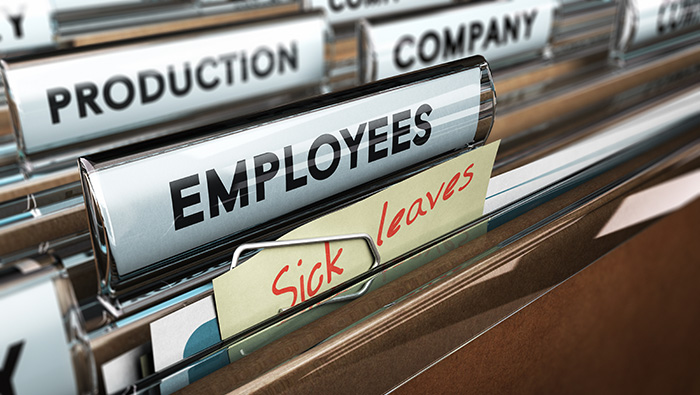
Personnel recordkeeping is the first line of defense against employee lawsuits. It starts on day one — see our guide to maintaining compliance with hiring and onboarding laws. Employers who fail to keep proper personnel records could be subject to legal action since they don’t have any documentation to disprove any allegations. Also, particular state and federal laws and regulations require specific records to be kept in employee files. Requirements change over time, too — see the latest Form I-9 updates for one example. Such requirements would apply to all employers covered by federal anti-discrimination laws, regardless of if charges were filed against the employer. Employment Law Compliance 101 training helps managers understand which laws apply to them. For example:
- Equal Employment Opportunity Commission (EEOC) regulations require that employers keep all personnel or employment records for one year. Records of harassment and discrimination prevention training are among the first things investigators request. If an employee is involuntarily terminated, the employer must retain the former worker’s personnel records for one year from the termination date.
- Under the Age Discrimination in Employment Act (ADEA) recordkeeping requirements, employers must keep all payroll records for three years. Additionally, employers must keep on file any employee benefit plans (such as pension and insurance plans). Employers must keep any written seniority or merit system for the whole period the plan or system is in effect. Additionally, the written documentation must be kept for at least one year after its termination.
- Under the Fair Labor Standards Act (FLSA) recordkeeping requirements applicable to the Equal Pay Act (EPA), employers must keep payroll records for at least three years. In addition, employers must keep all records that explain the basis for paying different wages to employees of opposite sexes in the same establishment for at least two years. These records can consist of:
- wage rates,
- job evaluations,
- seniority and merit systems, and
- collective bargaining agreements.
The following five kinds of employee records are critical information that all employers need to keep on hand for the appropriate period:
- Attendance Records – Employee time off, such as vacation time and sick time, must be carefully tracked. Since some states require unused accrued vacation time to be paid out upon termination, accurate and complete documentation helps to disprove any compensation claims from former employees. State rules vary widely — learn how federal and state labor law differ. Employers should keep leave records and workers’ compensation records related to the Family and Medical Leave Act (FMLA) indefinitely to protect against future litigation.
- Benefit Records – Two provisions of the Employee Retirement Income Security Act of 1974 (ERISA) explain employee benefit plan record retention. ERISA states that all records of agency filings, participation, and beneficiary disclosures must be retained and kept available for examination for at least six years after the filing date. The records would generally include worksheets and other supporting data or documentation, committee minutes, board resolutions, and other information to prepare the filings or disclosures. ERISA also states that an employer must “maintain benefit records with respect to each of [its] employees sufficient to determine the benefits due or which may become due to such employees.”
- Training Records – Training records are vital to businesses for several reasons. On a more personal level, training records can show that employees were trained on new topics of importance to the organization. The information gained at the training may allow employees to be considered for a raise or promotion down the road. On a more significant level, training records document whom the staff trained, when they were trained, and the training subject matter. WorkWise’s learning management system captures this automatically for every course. Many federal entities can access training records to verify that organizations are meeting regulatory requirements for specific industries. A lack of proof involving employee training could end up in fines and penalties against the company. Browse our full library of online employee training for courses with built-in completion records.
- Payroll Withholding Records – The Internal Revenue Service (IRS) requires that all businesses utilize a recordkeeping system. That system must keep payroll withholding records safe and orderly for at least three years after the due date of the return OR the date it was filed, whichever is later. Unsure about other categories? Check how long to keep employee records by record type.
- Unemployment Records – After an employee has been laid-off or terminated, they may successfully file for and start receiving unemployment benefits. Each step of the unemployment process should be documented and kept safe. These include the employee’s information (name, address, social security number), hire/separation/re-hire (if applicable), payment dates for cash and non-wages, and dates and hours of work. Any correspondences with the employee and the unemployment agency should also be kept in case of a future audit or investigation. Because these files contain sensitive personal data, cyber security compliance training for the staff who handle them is a smart safeguard.
To assist employers and Human Resources professionals in proper recordkeeping techniques, WorkWise Compliance has created the HR Record Retention Guide. This comprehensive guide is designed to help small business employers assess their level of compliance with current federal record retention requirements.
NOTE: The details in this blog are provided for informational purposes only. All answers are general in nature and do not constitute legal advice. If legal advice or other expert assistance is required, the services of a competent professional should be sought. The author specifically disclaims any and all liability arising directly or indirectly from the reliance on or use of this blog.
Recent Articles
Practical articles on HR, Safety, compliance, and people operations—written for real businesses, not legal textbooks.

Over the past week, the Equal Employment Opportunity Commission (EEOC) announced the outcomes of four court cases involving workplace harassment and discrimination claims. Specifically, these cases involved religious discrimination, disability discrimination, and pregnancy discrimination.
Read more
On September 8th, 2026, multiple U.S. Department of Labor (DOL) agencies released workplace opinion letters on critical topics to provide guidance and transparency for employees, job creators, and retirees. Specifically, the workplace opinion letters cover topics ranging from the coverage of wage...
Read more
On August 26th, 2026, the U.S. Equal Employment Opportunity Commission (EEOC) adopted its 2026–2030 Strategic Plan. The 2026–2030 Strategic Plan lays out specific, measurable strategic goals and objectives that will advance the agency’s mission through Fiscal Year 2030.
Read more
Last week, the U.S. Department of the Treasury (Treasury) and the Internal Revenue Service (IRS) jointly released important information surrounding employee savings and retirement plans. Specifically, the two agencies both issued proposed regulations on one topic, while providing guidance on the...
Read more
On August 5th, 2026, the Internal Revenue Service (IRS) and the U.S. Department of the Treasury (Treasury) issued guidance relating to paid family and medical leave. Specifically, the information was included in Notice 2026-28 and includes specific information on employer credits for paid family...
Read more