

 No Items in Cart
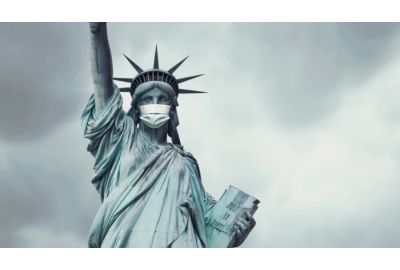
As more individuals begin to enter the workforce, employers must remain compliant hiring laws and onboarding regulations. To that end, there are several employment laws that govern the employee hiring and onboarding process. Chiefly, these employment laws include regulations that verify employment eligibility, protect confidential candidate and employee data, and prevent discrimination.
For instance, laws under the U.S. Equal Employment Opportunity Commission (EEOC) make it illegal to discriminate against someone because of that person’s race, color, religion, sex (including gender identity, sexual orientation, and pregnancy), national origin, age, disability, or genetic information. Earlier, the U.S Congress overturned a Trump-era EEOC employment bias rule.
Four Major Hiring and Onboarding Laws
The U.S. Department of Labor (DOL) administers and enforces more than 180 federal laws that cover the hiring and onboarding process, as well as workplace activities, in general. These laws and resources are vital to employers seeking to hire and onboard new employees. In brief, here are some of the most commonly applicable hiring and onboarding laws:
- Immigration Reform and Control Act (IRCA) The IRCA amends the Immigration and Nationality Act (INA) to cover employment practices. Basically, the IRCA makes it unlawful for a person or other entity to hire or continue to employ any alien knowing that such person is unauthorized to work.
Employer Requirements:
- Complete Form I-9 (Employment Eligibility Verification) for every employee to verify identity and employment authorization.
- Retain and update I-9 records as required by federal law.
- Avoid discriminatory hiring practices based on citizenship or national origin.
Recent Updates :
- As of August 1, 2023, employers must use the new Form I-9 (version 08/01/23 or later).
- The Department of Homeland Security (DHS) now allows certain employers enrolled in E-Verify to use remote document verification under an approved alternative procedure.
- Employers must still inspect documents in person unless authorized under DHS’s remote verification program.
- Equal Employment Opportunity Laws: The EEOC enforces a range of laws that prohibit workplace discrimination based on protected characteristics. These include:
- Title VII of the Civil Rights Act (race, color, religion, sex, national origin)
- Age Discrimination in Employment Act (ADEA)
- Americans with Disabilities Act (ADA)
- Genetic Information Nondiscrimination Act (GINA)
Recent Updates :
- In 2021, Congress repealed a Trump-era conciliation rule that had limited transparency during discrimination investigations.
- The EEOC has issued updated guidance on AI-based hiring tools, cautioning employers against automated systems that unintentionally discriminate.
- Employers should document all hiring decisions and ensure that interview and screening tools comply with EEOC standards.
- Fair Labor Standards Act (FLSA): Provisions under the FLSA establish a minimum wage, overtime pay, recordkeeping, and child labor standards. Specifically, these provisions apply to the private sector and in federal, state, local governments. Current Wage and Salary Thresholds:
- Minimum wage: $7.25 per hour (federal rate; some states set higher rates).
- Exempt employee salary threshold: $684 per week ($35,568 annually).
- Workers’ Compensation: Some industries may require workers’ compensation insurance to be made available. However, administration and oversight of workers' compensation occur at the state level. Therefore, employers should contact their appropriate workers' compensation program to comply with their respective state laws.
Hiring and Onboarding Digital Compliance Bundle
To help maintain compliance with hiring and onboarding laws, Personnel Concepts created the Hiring and Onboarding Compliance Training for Managers. The compliance bundle helps employers and managers keep up with state and federal anti-discrimination laws, notification requirements, and documentation requirements. In addition, it includes sample interview questions, an interview evaluation form, and a new hire orientation checklist.


