


 No Items in Cart
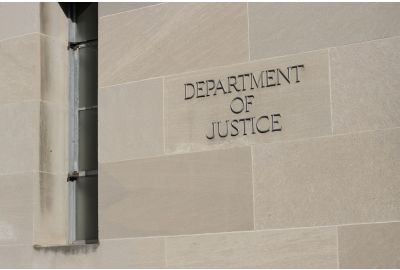
The U.S. Department of Justice (DOJ) recently issued a legal opinion that may signal major changes ahead in federal workplace discrimination enforcement. In a June 9, 2026 memorandum, the DOJ's Office of Legal Counsel (OLC) expressed the opinion that the Equal Employment Opportunity Commission's (EEOC) interpretation of disparate impact liability under Title VII of the Civil Rights Act is unconstitutional.
The DOJ's memorandum does not change current federal law or eliminate disparate impact claims. Instead, it offers insight into how the current Administration plans to evaluate and potentially revise EEOC regulations and enforcement practices.
What Is Disparate Impact?
Most employers are familiar with the concept of intentional discrimination, also known as disparate treatment. In discrimination cases involving disparate treatment, an employment decision is made because of an individual's age, race, sex, religion, national origin, or another protected characteristic.
Disparate impact, conversely, is a theory of discrimination that applies when a seemingly neutral employment policy or practice has a disproportionate negative effect on members of a protected group. Such impact can occur regardless of whether the employer intended to discriminate.
Common examples of practices cited in disparate impact cases include the following:
- Pre-employment testing (either cognitive or aptitude)
- Education requirements
- Criminal background checks
- Physical ability tests
While these examples are common hiring practices, they could constitute disparate impact if they negatively affect specific protected classes. Under current Title VII law, an employer may defend a challenged practice by demonstrating that it is job-related and consistent with business necessity.
What Does the DOJ Memo Say?
The 25-page opinion argues that the EEOC's current guidance places too much weight on statistical patterns and not enough weight on whether an employer intended to discriminate.
The DOJ's position is that disparate impact liability should be more limited and should apply only when the facts support a strong implication of intentional discrimination. The memo further argues that existing EEOC regulations encourage employers to make race-conscious employment decisions in order to avoid liability, raising constitutional concerns under the Equal Protection Clause.
The DOJ's opinion questions several portions of the EEOC's Uniform Guidelines on Employee Selection Procedures. It asserts that employers should not be required to present detailed justification for common hiring practices such as background checks, aptitude tests, educational requirements, or anby other selection procedures that are reasonably related to legitimate business needs.
How Does the Opinion Affect Employers?
While the DOJ opinion represents the agency's legal position, it does not amend Title VII or change any existing EEOC regulations. Affected individuals, their attorneys, and the EEOC can still bring disparate impact claims under Title VII. Unless Congress amends the law or the EEOC formally revises its regulations, employers should continue complying with existing discrimination standards and court precedents.
Essentially, the memorandum does not carry any immediate legal force, but it is a clear signal that the Trump Administration may pursue substantial policy changes in this area. The DOJ's opinion recommends narrowing the interpretation of the business necessity defense, raising the evidence burden on plaintiffs to demonstrate that a specific employment practice caused a disparate impact. The opinion also argues for requiring stronger proof that a less discriminatory alternative would be equally effective. If the DOJ's positions are adopted through future rulemaking or litigation, the effects could be significant for employers that rely on hiring tests, background screening policies, educational requirements, and similar employment practices.
Key Takeaways
For now, the best course of action for U.S. businesses is to continue to follow existing federal employment discrimination laws while monitoring further developments.
Employers should continue to review hiring and promotion practices for potential disparate impact and document the legitimate business reasons supporting employment policies. Any employment decisions or practices affecting one or more protected employee groups should be driven by legitimate, documented business needs. As always, businesses should consult with legal counsel before implementing major changes to employment practices, whether in response to the DOJ’s memo or otherwise.
The DOJ's memorandum is one of the most clear and direct signals yet that the federal government's approach to employment discrimination enforcement may be shifting. Whether these views ultimately reshape Title VII enforcement will depend on future EEOC rulemaking, court decisions, Supreme Court rulings, or legislative action by Congress.
WorkWise Compliance regularly monitors major developments in employment law and will provide updates to customers as new guidance, regulations, or court decisions relating to discrimination law emerge.


