

 No Items in Cart
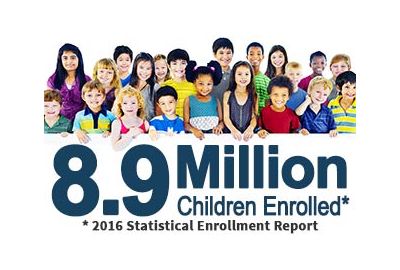
 The program, initiated in 1997 for children who otherwise would not be covered by health insurance, expired at the end of the government's last fiscal year on Sept. 30. Conflicting funding measures have come out of Senate and House committees, but only the House measure has passed (with opposition from Democrats over a Medicare fee increase included in the bill). Nationwide, CHIP serves 8.9 million children.
Now, CHIP funding -- $75 billion over five years -- will hinge on Congressional budget discussions in January.
In a statement released Wednesday, Senators Lamar Alexander (R.-Tenn.) and Susan Collins (R.-Maine) explained: "Rather than considering a broad year-end funding agreement as we expected, it has become clear that Congress will only be able to pass another short-term extension to prevent a government shutdown and to continue a few essential programs.” The statement also said that the Senate would consider an omnibus spending bill, CHIP and funding for community health centers after the first of the year.
Some states are already feeling the pinch. With federal funding virtually dried up, Alabama on Jan. 2 will stop enrolling children in the program and might shutter the whole operation at the end of the month, as will Colorado and Connecticut.
Other states have warned that their programs, sans federal funding, will be shuttered in March.
The Children’s Health Insurance Program (CHIP) provides health coverage to eligible children, through both Medicaid and separate CHIP programs. CHIP is administered by states, according to federal requirements. The program is funded jointly by states and the federal government.
The program, initiated in 1997 for children who otherwise would not be covered by health insurance, expired at the end of the government's last fiscal year on Sept. 30. Conflicting funding measures have come out of Senate and House committees, but only the House measure has passed (with opposition from Democrats over a Medicare fee increase included in the bill). Nationwide, CHIP serves 8.9 million children.
Now, CHIP funding -- $75 billion over five years -- will hinge on Congressional budget discussions in January.
In a statement released Wednesday, Senators Lamar Alexander (R.-Tenn.) and Susan Collins (R.-Maine) explained: "Rather than considering a broad year-end funding agreement as we expected, it has become clear that Congress will only be able to pass another short-term extension to prevent a government shutdown and to continue a few essential programs.” The statement also said that the Senate would consider an omnibus spending bill, CHIP and funding for community health centers after the first of the year.
Some states are already feeling the pinch. With federal funding virtually dried up, Alabama on Jan. 2 will stop enrolling children in the program and might shutter the whole operation at the end of the month, as will Colorado and Connecticut.
Other states have warned that their programs, sans federal funding, will be shuttered in March.
The Children’s Health Insurance Program (CHIP) provides health coverage to eligible children, through both Medicaid and separate CHIP programs. CHIP is administered by states, according to federal requirements. The program is funded jointly by states and the federal government.
December 21, 2017
51 view(s)
BREAKING NEWS: A continuing budget resolution introduced in the House of Representatives today includes $2.85 billion in CHIP funding through March 2018. It was approved by the Senate shortly thereafter and send to the president for signature.
Though Congress authorized partial funding for the Children's Health Insurance Program (CHIP) as part of a temporary budget measure, that measure -- and the CHIP funding -- expire tomorrow, Dec. 22, and even if the House and Senate agree on another temporary budget extension, CHIP funding will not be included.
The program, initiated in 1997 for children who otherwise would not be covered by health insurance, expired at the end of the government's last fiscal year on Sept. 30. Conflicting funding measures have come out of Senate and House committees, but only the House measure has passed (with opposition from Democrats over a Medicare fee increase included in the bill). Nationwide, CHIP serves 8.9 million children.
Now, CHIP funding -- $75 billion over five years -- will hinge on Congressional budget discussions in January.
In a statement released Wednesday, Senators Lamar Alexander (R.-Tenn.) and Susan Collins (R.-Maine) explained: "Rather than considering a broad year-end funding agreement as we expected, it has become clear that Congress will only be able to pass another short-term extension to prevent a government shutdown and to continue a few essential programs.” The statement also said that the Senate would consider an omnibus spending bill, CHIP and funding for community health centers after the first of the year.
Some states are already feeling the pinch. With federal funding virtually dried up, Alabama on Jan. 2 will stop enrolling children in the program and might shutter the whole operation at the end of the month, as will Colorado and Connecticut.
Other states have warned that their programs, sans federal funding, will be shuttered in March.
The Children’s Health Insurance Program (CHIP) provides health coverage to eligible children, through both Medicaid and separate CHIP programs. CHIP is administered by states, according to federal requirements. The program is funded jointly by states and the federal government.
The program, initiated in 1997 for children who otherwise would not be covered by health insurance, expired at the end of the government's last fiscal year on Sept. 30. Conflicting funding measures have come out of Senate and House committees, but only the House measure has passed (with opposition from Democrats over a Medicare fee increase included in the bill). Nationwide, CHIP serves 8.9 million children.
Now, CHIP funding -- $75 billion over five years -- will hinge on Congressional budget discussions in January.
In a statement released Wednesday, Senators Lamar Alexander (R.-Tenn.) and Susan Collins (R.-Maine) explained: "Rather than considering a broad year-end funding agreement as we expected, it has become clear that Congress will only be able to pass another short-term extension to prevent a government shutdown and to continue a few essential programs.” The statement also said that the Senate would consider an omnibus spending bill, CHIP and funding for community health centers after the first of the year.
Some states are already feeling the pinch. With federal funding virtually dried up, Alabama on Jan. 2 will stop enrolling children in the program and might shutter the whole operation at the end of the month, as will Colorado and Connecticut.
Other states have warned that their programs, sans federal funding, will be shuttered in March.
The Children’s Health Insurance Program (CHIP) provides health coverage to eligible children, through both Medicaid and separate CHIP programs. CHIP is administered by states, according to federal requirements. The program is funded jointly by states and the federal government. 


