


 No Items in Cart
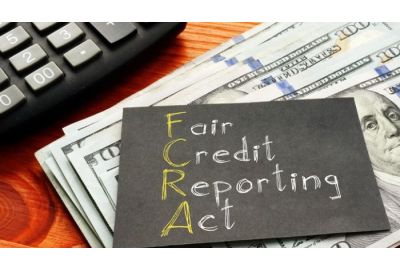
Agency Warns About the Use of Employee Tracking Technology Under the Fair Credit Reporting Act
On October 24, the Consumer Financial Protection Bureau (CFPB) released information on workplace tracking technology under the Fair Credit Reporting Act (FCRA). Such technology could include the use of artificial intelligence (AI). Markedly, the CFPB has the primary regulatory and interpretive role regarding the FCRA. The agency also shares the enforcement role with the Federal Trade Commission (FTC). Overall, according to Littler, the circular explains if employers must comply with the FCRA’s employment-related provisions before using such technology. Earlier, the CFPB joined other federal departments and agencies by releasing artificial intelligence (AI) guidance. Specifically, the guidance calls for “fairness, equality, justice[,] and compliance as automated systems [like AI] become more commonly used.”
Rights Under the Fair Credit Reporting Act
Specifically, the FCRA governs the access to consumer credit report records. Additionally, the FCRA allows individuals to verify the accuracy of such reports. In the employment realm, the FCRA often applies during interviewing, hiring, and background checks. When employers use third-party consumer reports during pre-employment background checks, they must equally comply with the FCRA. The FCRA also protects information collected by consumer reporting agencies. FCRA consumer reports may contain the following information about an applicant or job candidate:
- creditworthiness and standing,
- criminal history reports,
- driving records, and
- general reputation and character.
Unquestionably, the FCRA restricts access to this information to parties with a purpose specified under the law. Furthermore, employers that use any information the FCRA covers must notify the employee in writing that they will use it. Employers must also provide notification when they take an adverse action based on information in a report. In addition, several other provisions in the FCRA relate to record accuracy and identity theft. Finally, under the FCRA, individuals can obtain a copy of their consumer report and dispute any information.
Overview of the CFPB’s Circular and the Connection to the Fair Credit Reporting Act
Chiefly, the CFPB’s circular explains the agency’s continued focus on using AI and other workplace tracking technology. For example, with the growth in technology such as AI, the CFPB has seen an influx of companies purchasing applicant data to assist in hiring. Specifically, CFPB Director Rohit Chopra stated, “We are making clear that employers that traffic in data about workers and make decisions – including hiring and firing – using third-party scores based on tracking must adhere to federal protections.”
As an illustration, a hospital might hire a monitoring company using AI to track time spent on patient care. This information could be gathered each time a nurse enters and exits a patient’s room. However, if a nurse is kept longer with a specific patient, the data received does not capture any reasons as to why that may have occurred. If that information is then used for promotional purposes, it could affect the nurse’s career. Additionally, suppose the nurse applies for a new job at a hospital that uses the same monitoring and tracking vendor. In that case, the job offer may not happen based on that incomplete data.
Explicitly, according to the circular, employers have obligations under the Fair Credit Reporting Act when ordering and using consumer reports for employment purposes:
- Firstly, workers must consent when employers purchase these reports for use in employment contexts.
- Secondly, if an employer relies on these dossiers to take adverse action against a worker—such as firing, denial of a promotion, or reassignment—they must provide a detailed explanation to the individual.
- Thirdly, when a worker disputes inaccurate, incomplete, or unverifiable information, companies must delete or correct it.
- Finally, employers cannot misuse worker reports for illegal purposes, such as selling them on the open market or using them to market financial products to workers.
Employer Takeaways
In conclusion, aside from using credit reports or other employee data properly during the hiring process, state, federal, and local laws prohibit hiring discrimination against job candidates based on protected characteristics. These protected characteristics include sex, gender, age, race, religion, national origin, sexual orientation, gender identity, pregnancy, disability, military status, and/or marital status. Any illegal interview question that elicits information about a protected characteristic under anti-discrimination laws may be used as evidence of an unlawful preference or bias. Additionally, employers must provide specific forms and notices to new hires under state & federal laws and maintain certain records created during the hiring process. These may include tax & employment eligibility forms, written disclosures about harassment, workers’ compensation, paydays, and paid leave benefits.
For this reason, WorkWise Compliance created the Hiring and Onboarding Digital Compliance Bundle. This collection of digital resources helps employers ensure that their hiring and onboarding process complies with state and federal anti-discrimination laws, notification requirements, and documentation requirements.
The digital resource bundle includes Interviewing & Hiring Laws Training for Employers and Managers. This online, interactive training module trains business owners and managers on the difference between legal and illegal interview questions. Supplemental materials, including a downloadable collection of pre-written interview questions, are also included with the module. (Customers may also purchase this training module separately.)


