

 No Items in Cart

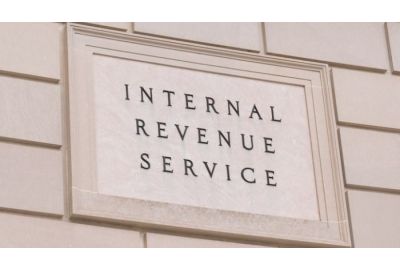
On November 5th, 2026, the Internal Revenue Service (IRS) issued information on tax inflation adjustments for tax year 2027. The agency also released updated information on standard deduction amounts for the same tax year. Basically, the dollar amounts used for both the inflation adjustment and the standard deduction limits will increase. Earlier in August, the IRS and the U.S. Department of the Treasury (Treasury) jointly released important information surrounding employee savings and retirement plans.
2027 Tax Inflation Adjustments Overview
In summary, the IRS's Revenue Procedure 2026-35 provides details on the 2027 tax-year adjustments. According to IRS Chief Executive Officer Frank J. Bisignano, “Hardworking American taxpayers will continue to benefit from the Working Families Tax Cuts (WFTC) and will see WFTC credits and deductions increase with this adjustment. American individuals and businesses will see increased tax benefits next tax year ranging from an increase in the standard deduction and the Child Tax Credit for families, and a boost to the amount that can be expensed by businesses.”
What Are Some Highlights of the 2027 Tax Inflation Adjustments
At any rate, the 2027 adjustments generally apply to tax returns filed in 2028. Overall, the tax items of most significant interest to most taxpayers include the following:
- The standard deduction for married couples filing jointly rises to $33,200, up $1,000 from the prior year.
- For single taxpayers and married individuals filing separately, the standard deduction rises to $16,600, up $500.
- Heads of households will receive a standard deduction of $24,925, up $825 from the amount for tax year 2026.
What Were the Changes to the Marginal Tax Rate Provisions?
As has been noted, the IRS also updated the ranges for the marginal tax rates. For tax year 2027, the tax rates are:
- 37% for individual single taxpayers with incomes higher than $661,375 ($793,650 for married couples filing jointly)
- 35% for incomes over $264,550 ($529,100 for married couples filing jointly);
- 32% for incomes over $208,325 ($416,650 for married couples filing jointly);
- 24% for incomes over $109,125 ($218,250 for married couples filing jointly);
- 22% for incomes over $52,025 ($104,050 for married couples filing jointly);
- 12% for incomes over $12,800 ($25,600 for married couples filing jointly).
The lowest rate is 10% for single individuals with incomes of $12,800 or less ($25,600 for married couples filing jointly).
What Are the Updates to the Earned Income Tax Credits?
According to the IRS, an Earned Income Tax Credit (EITC) is a refundable federal tax credit designed to help low- to moderate-income working individuals and families reduce the amount of tax they owe. Because it is refundable, if the credit amount exceeds your actual tax liability, you receive the difference back as a tax refund.
For tax year 2027, the maximum Earned Income Tax Credit (EITC) amount is $8,496 for qualifying taxpayers who have three or more qualifying children. This is up from $8,231 for tax year 2026. Revenue Procedure 2026-35 contains a table providing the maximum EITC amount for other categories, income thresholds, and phase-outs.
Employer Takeaways
In conclusion, the tax inflation adjustments might trigger employees to update their tax withholding records. Employers must keep any corrections or new information regarding benefit records on file as part of personnel file recordkeeping. Employers who fail to maintain proper personnel records could face legal action. Also, particular state and federal laws and regulations require specific records to be kept in employee files. Such requirements would apply to all employers covered by federal anti-discrimination laws, regardless of whether the employer was formally charged.
To assist employers, WorkWise Compliance now offers monthly and annual compliance plans to help businesses meet their legal obligations under workplace laws, including virtual consulting services on key labor law compliance topics. These services can help impacted businesses address current and proposed regulations on proper labor practices.


